

Breast lift
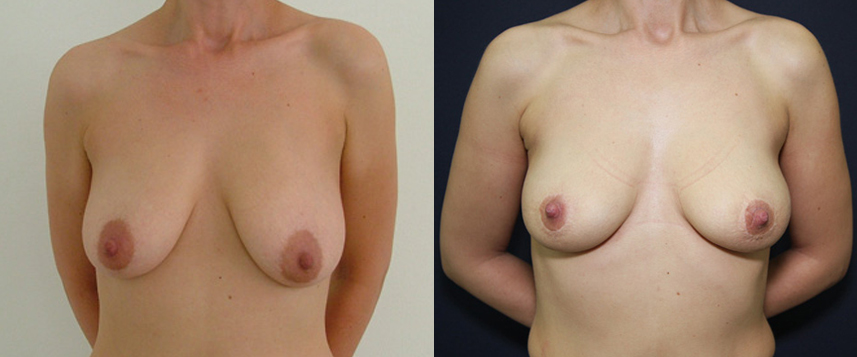
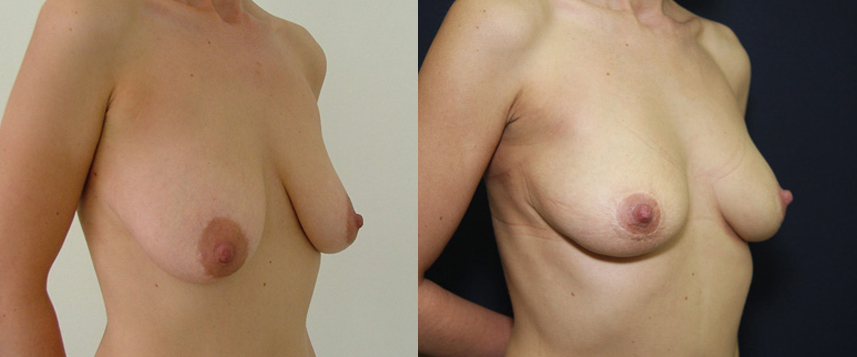
Redistribution of breast tissues, removal of excess skin and lifting of the areola
The relaxation of the chest, which in medical language is called “ptoza”, consists in the lowering of the tissues of the mammary gland and its grain. Breast incase may result from genetic predisposition, reduced skin elasticity, pregnancy, breastfeeding, body weight variation, and even gravity.
Despite the fact that the chest hanging usually occurs with age or after pregnancy, if the problem is hereditary, it could be manifest in teen years. When this is the case, the surgery is recommended when the chest growth is complete. In older women, restoring the shape of the bust is part of the rejuvenating procedures.
In general, it can be said that bust correction by lifting is when: – the chest has lost the skin’s elasticity and elasticity; – the skin is sagging and the aerosol is enlarged; – the grain and the aeroline point down; – Without the maintenance of the bra, the grain falls below the breastbone.
Breast augmentation or “mastopexy” is a plastic surgery associated with redistribution of breast tissue, removal of excess skin and lifting of the areola.
Mastopexy is performed by making cuts on the pre-drawn lines to remove excess skin and lift the breast. Drains are placed through the axilla (arm) for about 24-48 hours. After the wound is closed, a bandage and elastic bandage or compression linen is provided.
It is extremely important during the consultation, with the doctor’s help, to make real expectations for the result of bust adjustment by lifting. Be aware of the possible risks and concerns that he / she has to take during the post-operative period.
If you have pregnancy plans or weight reduction procedures, the effect of the operation can be affected and a chest hanging again. In these cases, repeated intervention may be necessary.
Already during the consultation it should be clarified whether you have breast asymmetry and to what extent, in order for the bust to be made as aesthetic. When lifting the breast, the position of the grain changes. The worst possible complication that is associated with this is the partial or complete necrosis of the areola and the grain.
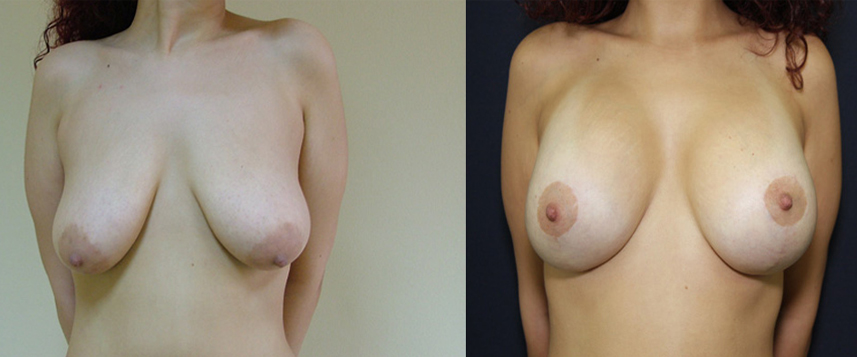
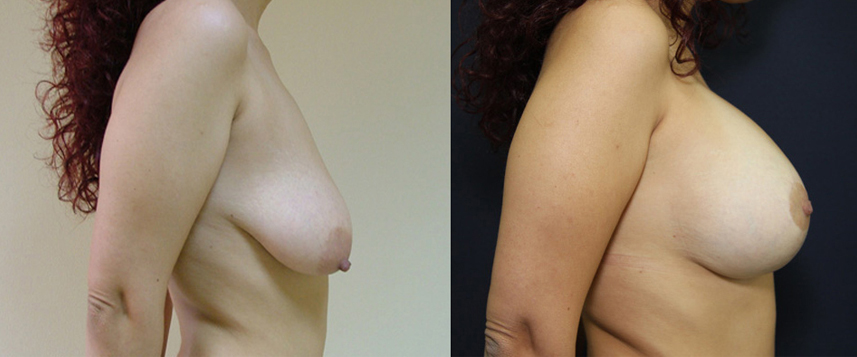
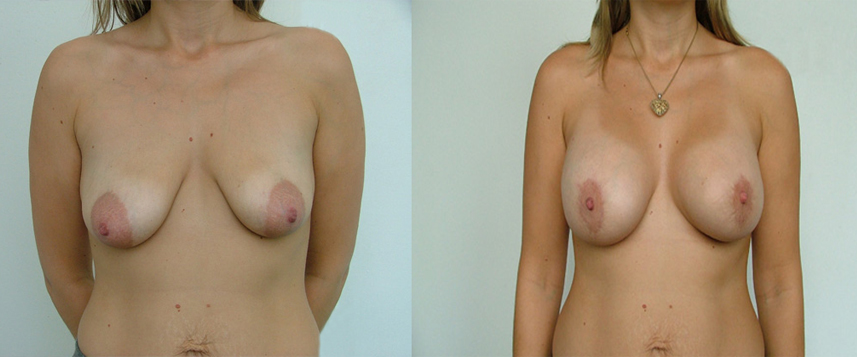
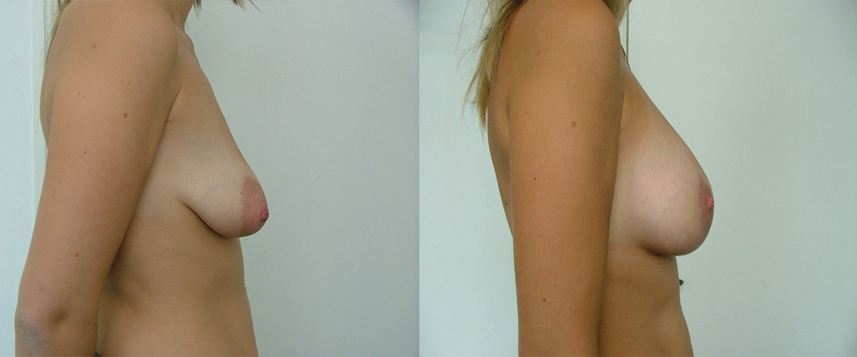
Due to volume loss, excess of skin and hanging (ptosis), sometimes a combination of lifting and using silicone implants for bust correction is required. When it comes to combining the two bust correction techniques, the operational strategy can be done one- or two-step.
One-step surgical intervention consists of placing pre-selected breast implants, followed by removal of excess and skin tightening.
In the two-stage plastic surgery of the first stage, the problem of excess skin is solved, and after stabilization of the scars, the type and size of the implant is better defined.
Before taking a final decision, breast sowing (the degree of the ptosis), the amount of glandular tissue and the surgical method are fine.
If the notion of recovery, tightness and shape of the bust is to be raised and larger, the necessity of placing a breast implant is also assessed. This complicates surgery, but the aesthetic result is better.
Lift the bust usually leaves permanent scars that fade over time and merge with the color of the skin.
Previous
Next